




Hospital admission rates for flu are at their highest for this point in the year since before the pandemic, while only about a third of under-65s with long-term conditions have been vaccinated. Children who missed their school jab can now book one at a high street pharmacy.
Flu is spreading through England earlier and faster than health officials had hoped. The UK Health Security Agency (UKHSA) says hospital and intensive care admission rates rose by almost 80% in a single week. The rate is now the highest seen at this time of year since before the Covid pandemic.
The rise comes as vaccination is falling behind. UKHSA figures published this week show that 67.6% of people aged 65 and over had been vaccinated by 22 November. The agency says that is lagging behind where it should be at this stage of the season. Among the almost 9.5 million people under 65 who are eligible because of a long-term health condition, uptake was just 34.1%, leaving almost 7 million without protection.
An early and steep climb
Agency data reported by the Guardian puts the flu admission rate at 9 per 100,000 people last week, up from 5 per 100,000 the week before. In the same week of 2025 the figure was 4.9. UKHSA says the rate has not been this high at this point in November in any year this decade, and that emergency department attendances for flu-like illness are above seasonally expected levels.
Dr Suzanna McDonald, who leads the UKHSA flu programme, told BBC Radio 4’s Today programme that the H1N1 strain was driving the spread. She said the sharp rise was arriving a few weeks earlier than last winter, which was itself the earliest season seen in more than 20 years. “This is very early to be seeing such high demand in hospitals,” she said.
She added that the strain “does seem to have picked up a few more changes that we would have expected over the season”, but pointed out that when a drifted strain circulated last year, the vaccine still worked very well.
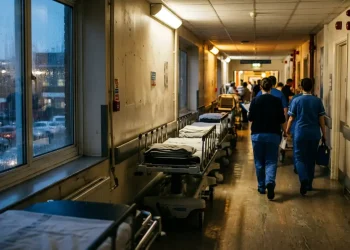
The pressure is already visible on wards. Speaking at the NHS Alliance autumn conference, outgoing NHS England chief executive Sir Jim Mackey said some hospitals had brought back mask-wearing, and that he had been asked to wear one himself for the first time in years. “I think we have more beds occupied with flu than we did this time last year, as we’re just about going to that horrible spike in flu,” he said, according to the BBC.
Who is most at risk
Officials are focusing on people with long-term conditions because the danger to them is much greater than to the general population. UKHSA says the relative risk of death from flu can be as much as 48 times higher for people with chronic liver disease. Kidney Care UK says people with stage 3 to 5 chronic kidney disease are 19 times more likely to die from flu, and Asthma + Lung UK says people with lung conditions are seven times more likely to die from it.
Uptake is also low in other priority groups. By 22 November, 34.9% of pregnant women and 39.2% of two- and three-year-olds had been vaccinated. Figures for September and October show 32.1% of school-aged children and 33.9% of healthcare workers had been vaccinated.
Last winter, just over 40% of eligible under-65s in clinical risk groups were vaccinated, and fewer than 13% of at-risk babies and toddlers aged six months to under two had the jab.
“Flu isn’t just a bad cold. It can make you seriously ill, especially if you’re older or have certain health conditions,” said Dame Diana Johnson, the public health minister. She urged anyone eligible to “come forward and get protected ahead of the holiday season”.
Pharmacies open to children for the first time
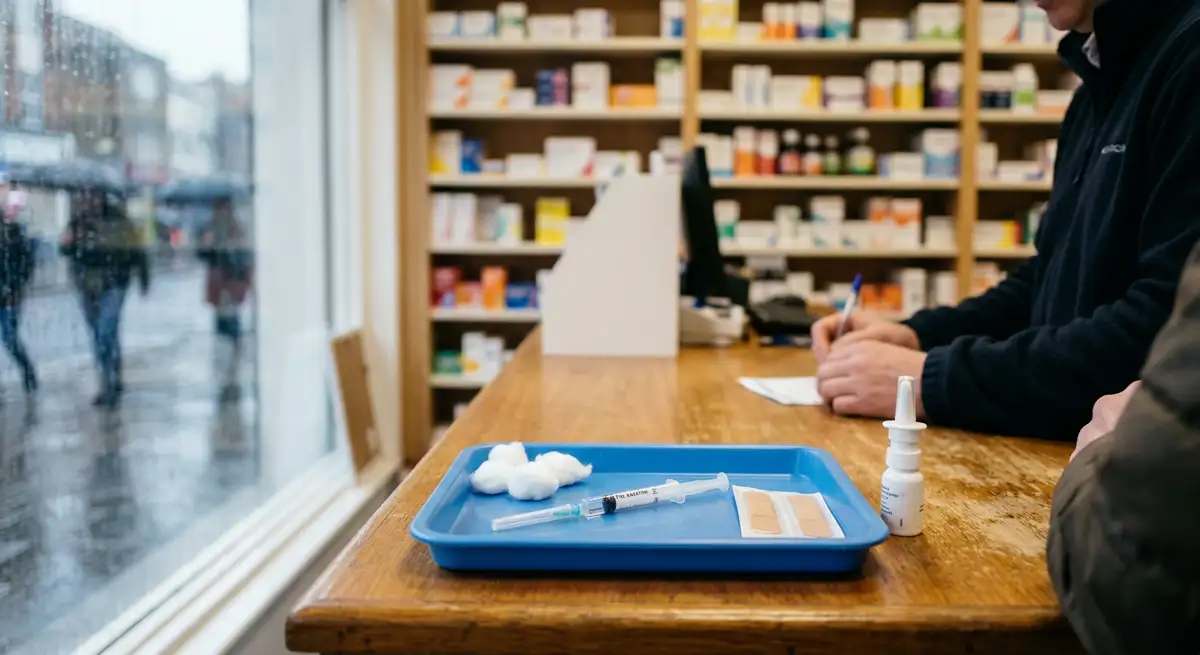
For the first time, children who missed their flu vaccination at school can get it at a high street pharmacy. More than 6,000 community pharmacies in England are taking part. Bookings open on Monday through the NHS App or the NHS “find a pharmacy” service, with appointments available from Tuesday 1 December. Some pharmacies are also giving the nasal spray vaccine to two- and three-year-olds, who can still get it free at their GP surgery.
More than 3.5 million children from reception to year 11 have already been vaccinated this season. Dr McDonald said that vaccinating children also protects younger siblings and older relatives such as grandparents. “Please don’t dismiss the importance of a flu vaccine for your children. It will help keep them out of hospital and even save lives,” she said.
Prof Frankie Swords, national medical director of NHS England, said winter viruses “could also ruin your family’s plans for Christmas”, and urged parents who need an appointment to book now.
What it means for UK readers
If you are 65 or over, pregnant, or living with a condition such as diabetes, a lung, heart, kidney or liver disease, or a weakened immune system, you are probably entitled to a free flu vaccine. GP practices and many pharmacies can give it. UKHSA advises anyone unsure whether they qualify to ask their GP practice or pharmacist.
Parents whose children missed the school session can use the new pharmacy catch-up offer from next week. Toddlers aged two and three can get the nasal spray at their GP surgery.
For anyone already unwell, the agency’s advice is simple: wash your hands often with warm soapy water, cough or sneeze into a tissue or your elbow, stay at home, and keep away from people at higher risk.
What happens next
Officials expect flu levels to keep rising as Christmas gets closer and people spend more time together indoors. Last winter’s early wave peaked sooner than feared, but UKHSA says it does not yet know when this season will peak. With hospitals already busy, NHS leaders are hoping that higher vaccine uptake over the next few weeks will ease the pressure before the holiday period.